Humanities Honors · The University of Texas at Austin
Gabriel Longoria
I study and build neotraditional food systems — how institutions, policy, and urban design shape the food communities eat, and how that shapes health, belonging, and sustainability.

What is neotraditional food systems?
The framework at the centre of my work: traditional whole-food practice carried by modern economies of scale — and why institutions, not technology, are what stand in the way.
My academic work
An honors thesis, field research inside Austin's school district, coursework in urban studies and health policy, and an internship building the budget case for municipal food.
What I'm working on
Sweatcity ATX, Casa de Luz, a foundation making the case for communal dining as infrastructure, and food advocacy on campus and in city government.
Scholar and practitioner
I'm not studying food systems from the outside.
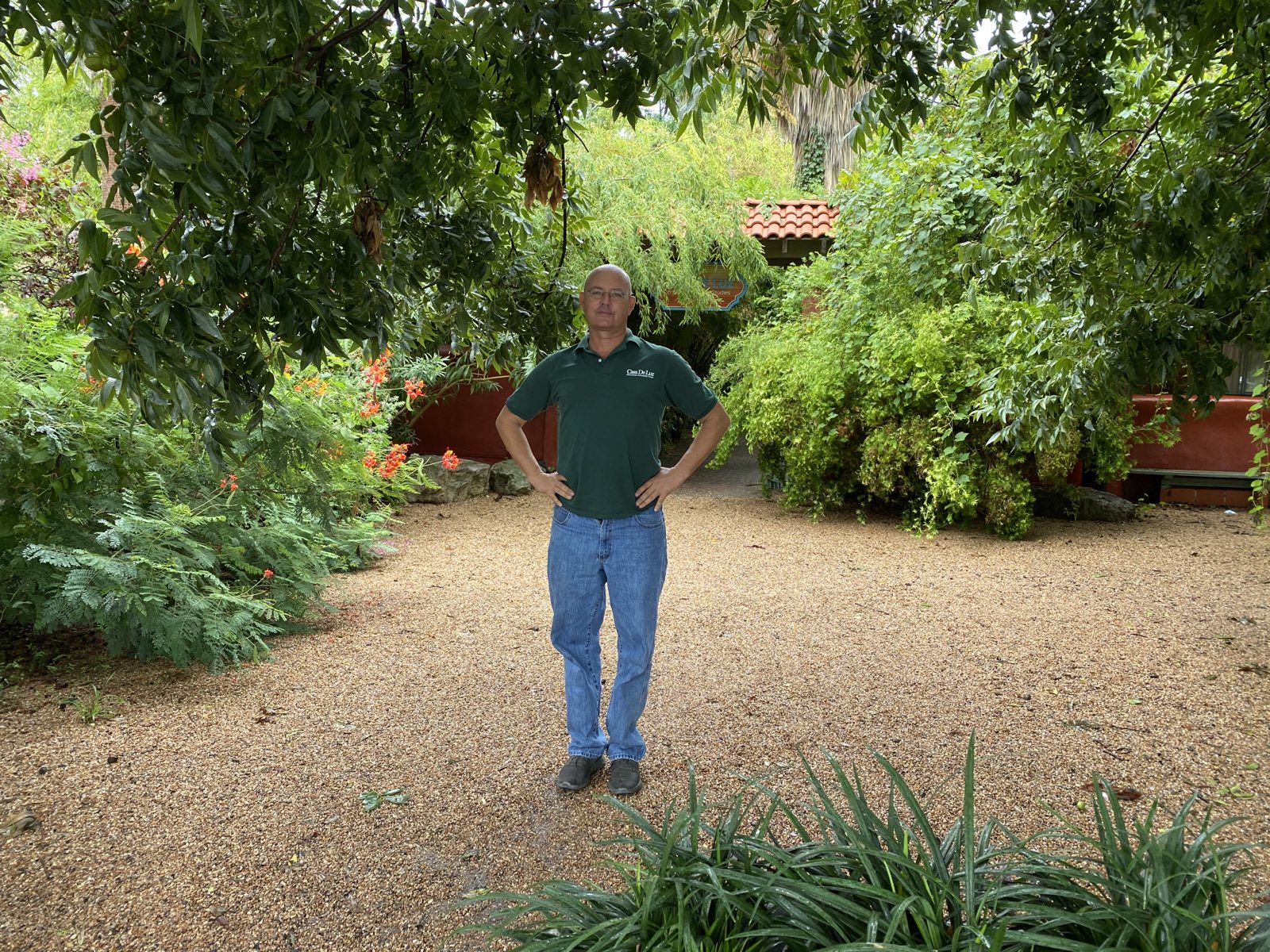
Most food systems research is written at a distance from the thing it describes. Mine isn't. I spend my weeks inside a working model — on the management team at Casa de Luz, a mixed-use wellness village in Austin built around a whole-food, plant-based dining hall — and my coursework testing whether what happens there survives the evidence.
That combination is the point. The argument for a different food system is no longer a technical one; the model already works. What's missing is the institutional case: the budgets, the procurement rules, the zoning, the political will. That's what I'm building.
Sweatcity ATX
A contrast studio rooted at Casa de Luz.
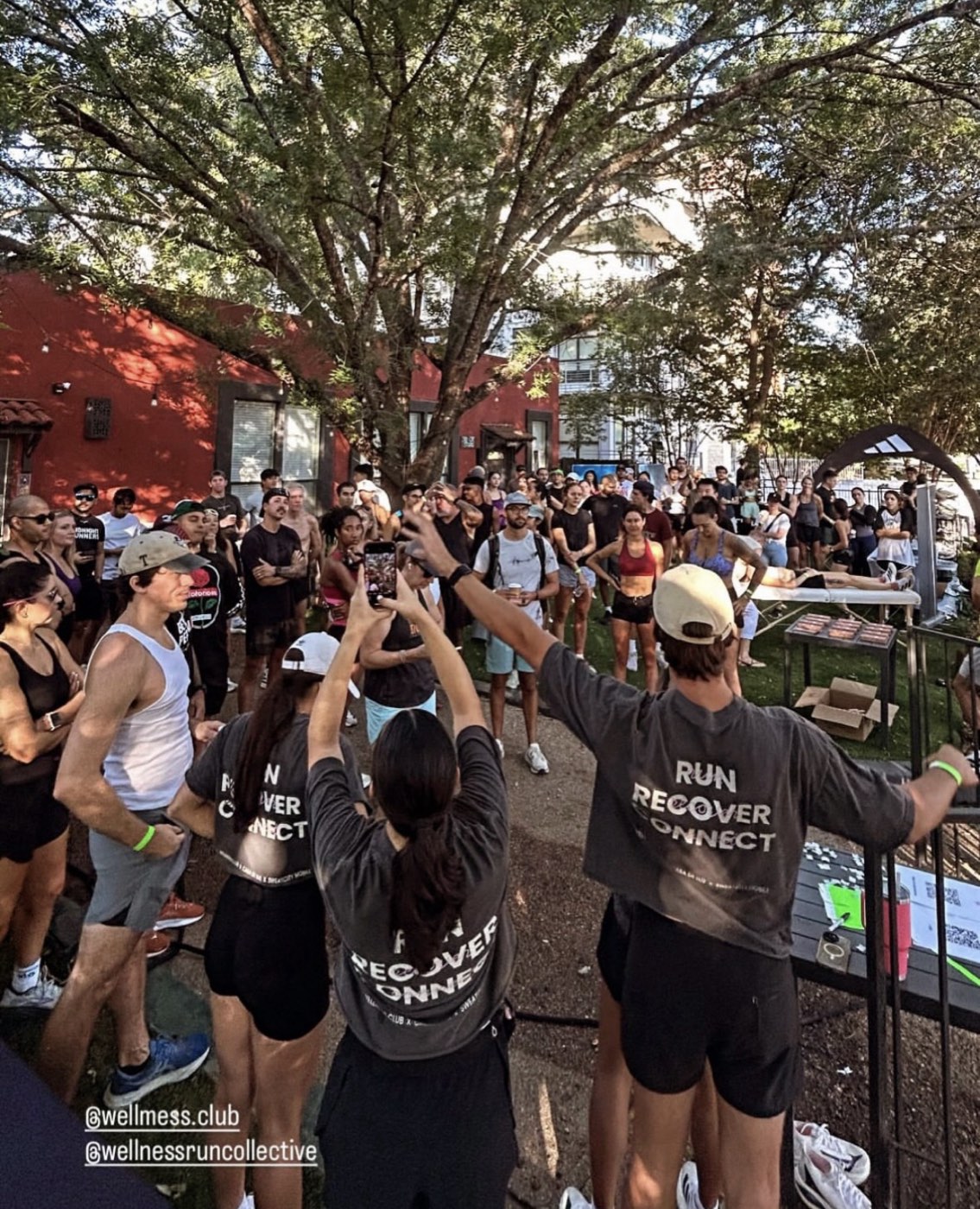
Sweatcity ATX is a contrast studio at Casa de Luz. I co-founded it, and Sweatcity Run Club operates as part of the broader Sweatcity ATX community.
2024 CNU Charter Awards · Merit Award
The New Urban Diet
Casa de Luz was recognized by the Congress for the New Urbanism for a model that joins communal food, health, and place. The presentation made the case for food as a missing part of the Charter's vision for walkable, sustainable cities.
Right now
Three things on my desk
-
The thesis
Neotraditional Food Systems: A Framework for Global Food System Transformation. Empirical evidence from Austin's school district, Casa de Luz as an operational case study, and economic modelling at three scales. Defending Spring 2027 under Mark Budolfson.
-
The City of Austin Food Department
Interning on the case that a municipal food department is the best-value line in the city budget — working from the EAT-Lancet Commission, the Austin–Travis County Food Plan, and municipal health data.
-
Food and World History
A fall seminar on how food shaped civilisations, empires, trade, and ethics — the historical spine underneath a framework that claims to be ancient in practice and novel only as policy.
Interested in food systems that actually work?
I'm always glad to hear from researchers, policymakers, funders, and people building something in their own city.